
Step-by-Step Guide to Turntable Belt Replacement
Vinyl turntables offer a unique listening experience, but maintaining their performance is crucial. This guide will walk you through the process of replacing the belt on your turntable, an essential maintenance task that can significantly improve sound quality. According to industry experts, a worn belt is a common issue that can lead to speed inconsistencies and decreased audio fidelity.
Understanding the Importance of the Turntable Belt
The turntable belt serves as a critical component in the operation of your analog audio equipment. It connects the motor to the platter, enabling smooth rotation and consistent speed. Over time, belts can stretch, crack, or wear down, which may lead to noticeable issues such as pitch variations or unwanted noise during playback. Research indicates that regularly maintaining the belt can enhance the longevity and performance of your turntable.
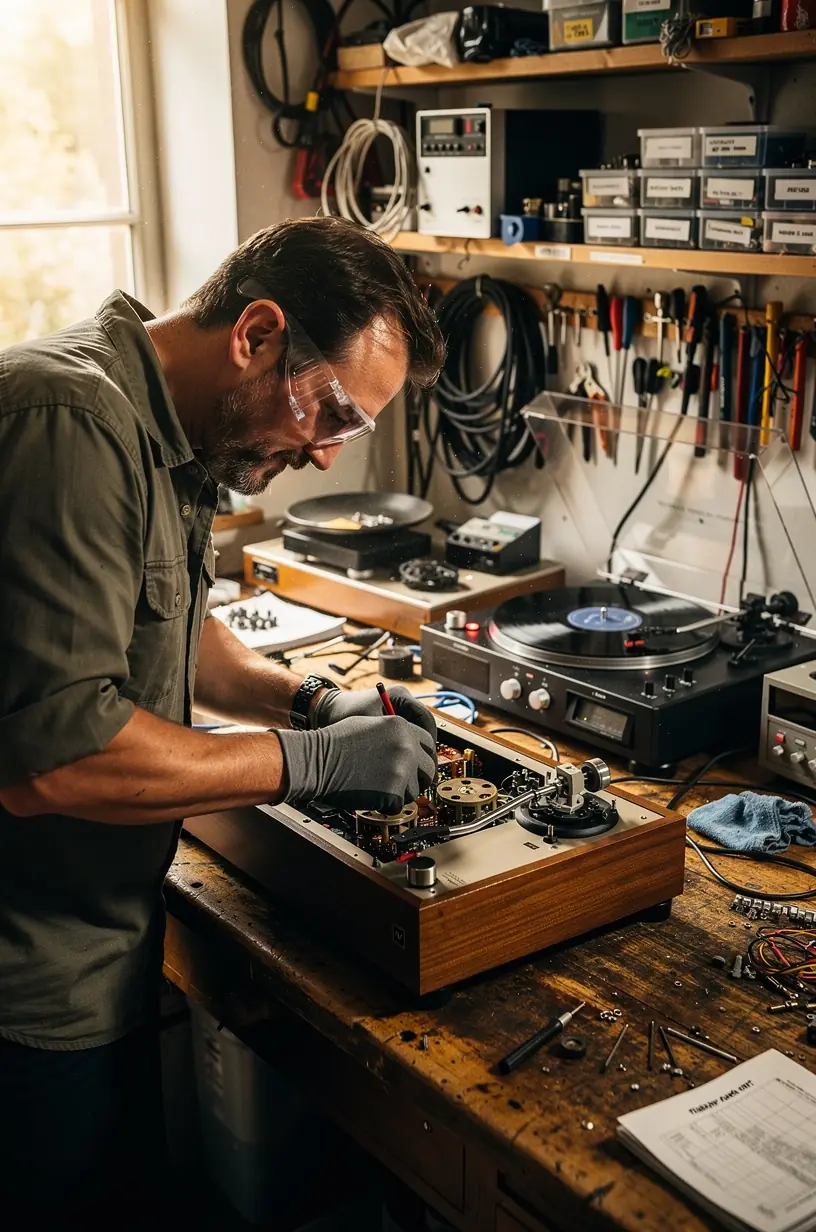
"A well-maintained turntable belt is key to preserving the integrity of your audio experience."
Gathering Your Tools
Before you begin the replacement process, ensure you have the following tools on hand:
- A replacement belt suitable for your turntable model
- Screwdriver (if necessary for your specific unit)
- Cleaning cloth
- Isopropyl alcohol (for cleaning the platter)
Having these tools ready can streamline the process and prevent unnecessary delays.
Step-by-Step Replacement Process
Step 1: Power Down and Unplug
Before starting any maintenance, it's essential to power down and unplug your turntable. This step ensures your safety and prevents any accidental damage to the equipment.
Step 2: Remove the Platter
Carefully lift the platter off the turntable. Depending on your model, this might require gently pulling or unscrewing it. Be cautious not to force it, as this may damage the unit.
Step 3: Inspect the Old Belt
Once the platter is removed, examine the old belt. Look for signs of wear, such as cracking, brittleness, or stretching. Experts recommend replacing the belt if any of these issues are present, as they can significantly affect playback quality.
Step 4: Clean the Platter and Motor Pulley
Using a cleaning cloth and isopropyl alcohol, clean the surfaces where the belt makes contact. This includes the platter and the motor pulley. Regular cleaning is a best practice that can help maintain optimal performance.
Step 5: Install the New Belt
Carefully position the new belt around the motor pulley and the inner rim of the platter. Ensure it sits evenly in the grooves, which helps maintain consistent speed.
Step 6: Reassemble the Turntable
Replace the platter carefully, making sure it is securely in place. If your model requires screws, ensure they are tightened appropriately but not overly so, as this can lead to further issues.
Step 7: Test the Turntable
Plug in your turntable and power it on. Play a record to test the sound quality and ensure the turntable operates smoothly. You should notice a significant improvement in audio clarity if the belt was the main issue.
Conclusion
Replacing the belt on your turntable is a straightforward process that can yield substantial benefits for audio playback. While this task typically takes around 20-30 minutes, the results can improve your listening experience significantly. By following the steps outlined above and maintaining your equipment properly, you can enjoy the rich sound quality that vinyl records offer. Remember, regular maintenance is key to prolonging the life of your turntable.
Learn More