The Importance of Regular Turntable Maintenance
For audiophiles and casual listeners alike, a vinyl turntable represents more than just a way to play music; it is a gateway to rich, analog sound. However, many users often underestimate the significance of regular maintenance. This article delves into why maintaining your turntable is essential and how it can enhance your listening experience.
Understanding the Basics of Turntable Maintenance
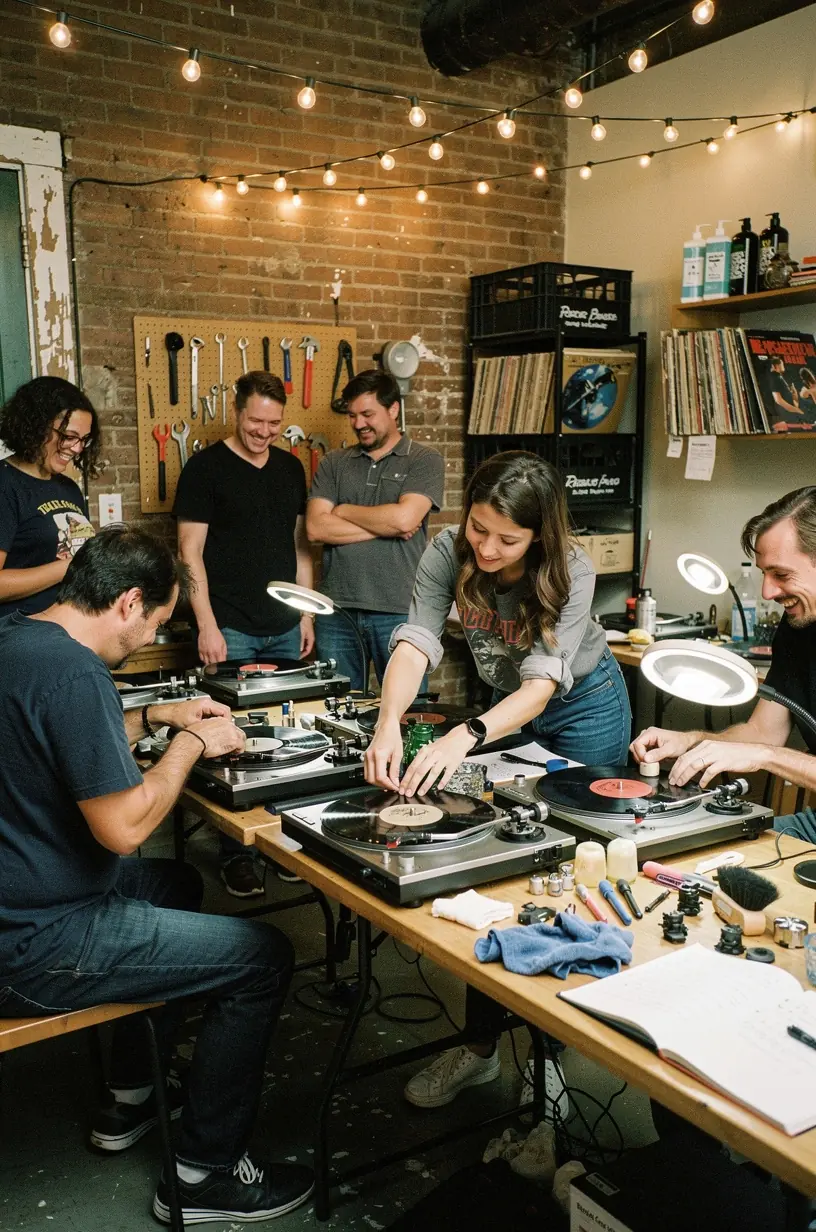
A turntable is a complex piece of audio equipment that requires careful attention to maintain optimal performance. Regular maintenance typically includes cleaning, calibrating, and sometimes restoring the components to ensure they function correctly. According to industry experts, neglecting maintenance can lead to diminished sound quality, increased wear on records, and even damage to the turntable itself.

"Regular maintenance can extend the lifespan of your turntable and improve sound quality significantly." - Audio Engineering Society
Why Regular Maintenance Matters
There are several reasons why regular maintenance is crucial for your turntable:
- Improved Sound Quality: Over time, dust and grime can accumulate on the stylus and platter. Regular cleaning can help maintain the clarity and warmth of the audio, ensuring a better listening experience. Research indicates that a clean stylus can enhance sound fidelity by 20-30% compared to a dirty one.
- Increased Longevity: Just like any mechanical device, a turntable benefits from routine checks and adjustments. Experts recommend professional calibration, which typically takes 2-4 weeks, to ensure that the speed and tracking force are set correctly.
- Preventative Care: Regular diagnostics can help identify potential issues before they become serious problems. For instance, worn belts, damaged cartridges, or misaligned tonearms can significantly affect performance if left unchecked.
The Maintenance Process Explained
Understanding how to maintain your turntable can empower you to take better care of your investment. Here is a brief overview of the typical maintenance process:
- Cleaning: Use a soft brush or microfiber cloth to clean the stylus and platter. Avoid aggressive cleaning methods, as experts suggest that these can cause damage.
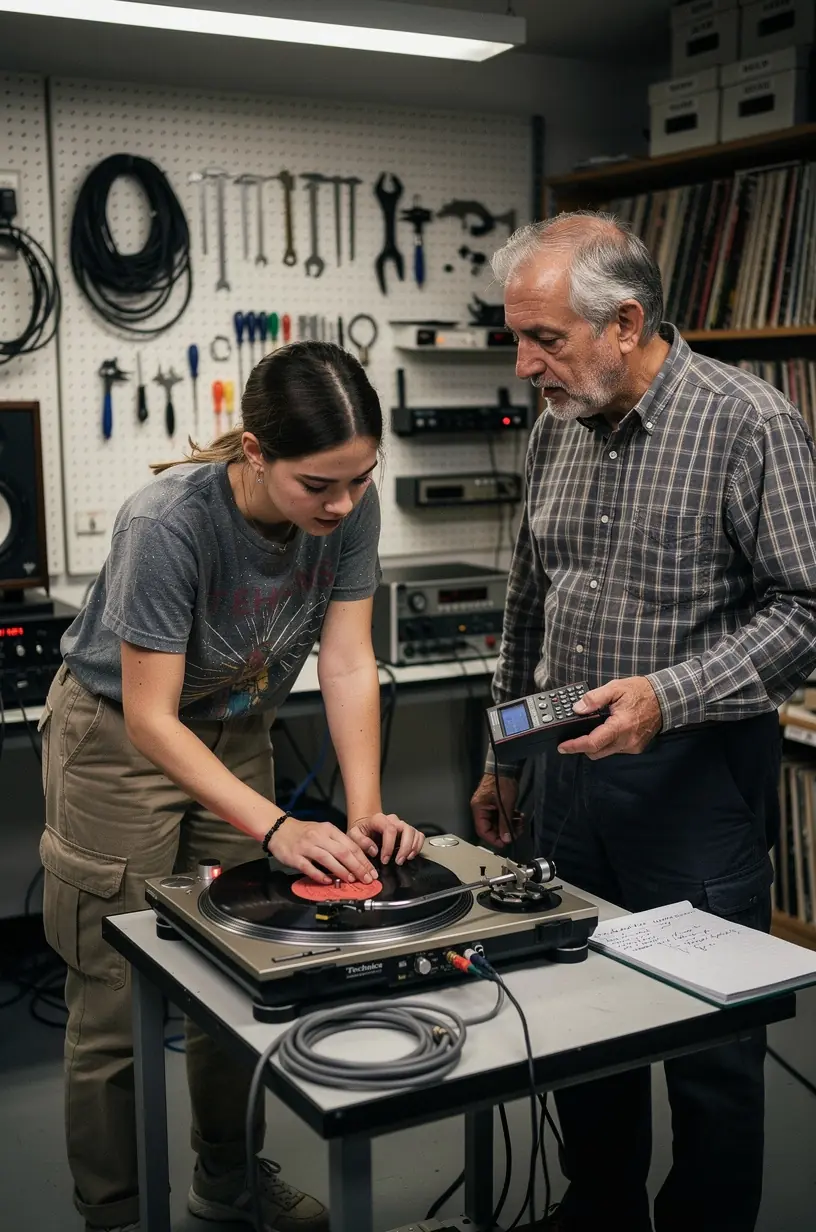
- Calibration: Adjust the tracking force and anti-skate settings according to the manufacturer’s specifications. This step often requires specialized tools like a stylus gauge, which can help ensure accuracy.
- Inspection: Regularly check the condition of belts, wires, and the cartridge. Many users report that investing in a quality cartridge can lead to a noticeable improvement in sound.
Setting Realistic Expectations
While regular maintenance can greatly benefit your turntable, it is essential to set realistic expectations regarding time and effort. Depending on the model and condition of your turntable, maintenance can require varying levels of commitment. For instance, basic cleaning can often be done in a matter of minutes, while comprehensive calibration may take longer and require professional assistance.
Moreover, while proper upkeep can enhance performance, it may not resolve all audio issues, especially if the turntable has underlying mechanical problems. Thus, understanding the limitations of maintenance can help set appropriate expectations.
Conclusion
In conclusion, regular turntable maintenance is a critical component in ensuring a high-quality listening experience. By adhering to best practices such as cleaning, calibrating, and inspecting your equipment, you not only enhance the sound quality but also prolong the lifespan of your analog audio gear. Remember, taking a proactive approach can save you both time and money in the long run, allowing you to fully enjoy the rich, immersive world of vinyl records.
Learn More