How to Choose the Right Turntable for Restoration
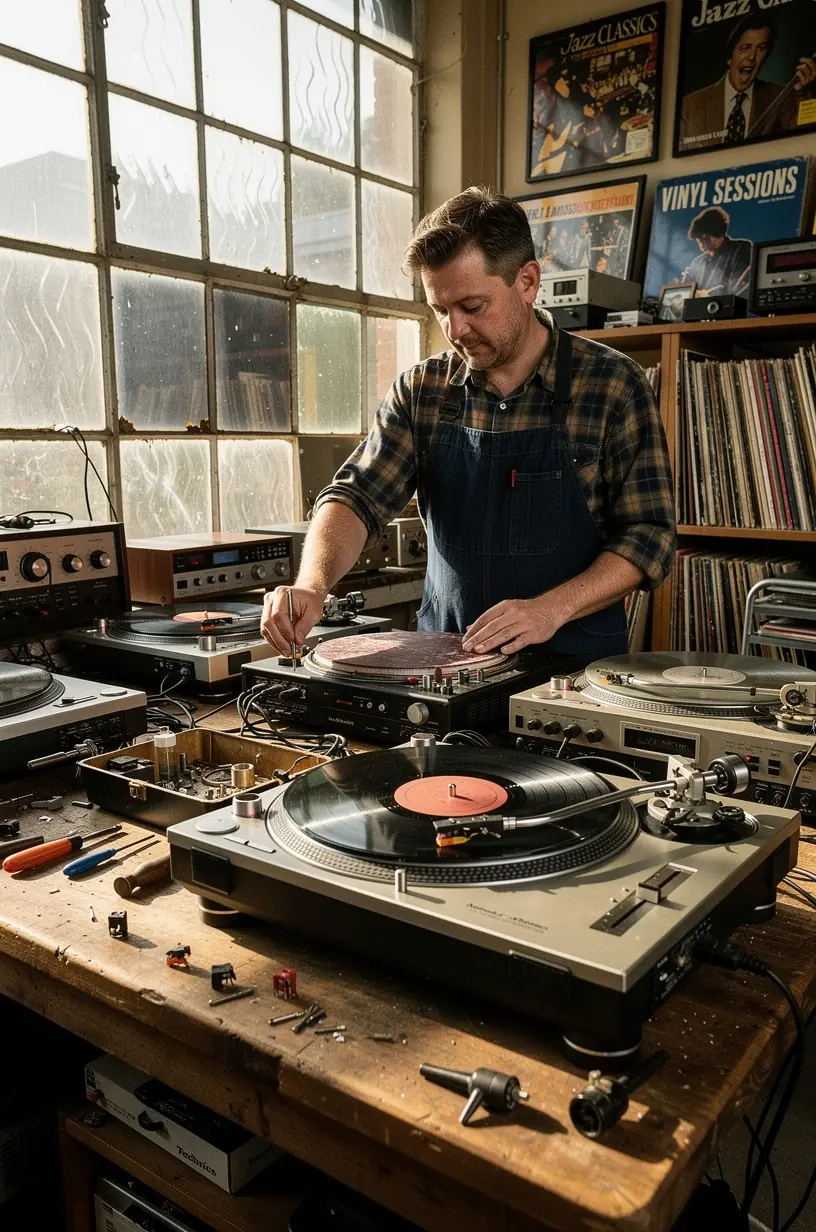
Restoring a vinyl turntable can be a rewarding venture for any audio enthusiast. However, selecting the right turntable for restoration is crucial to ensure the best results. This guide outlines what to consider when choosing a turntable for restoration, helping you make an informed decision.
Understanding Turntable Components
Before diving into the restoration process, it’s essential to understand the basic components of a turntable. Typically, a turntable consists of the following elements:
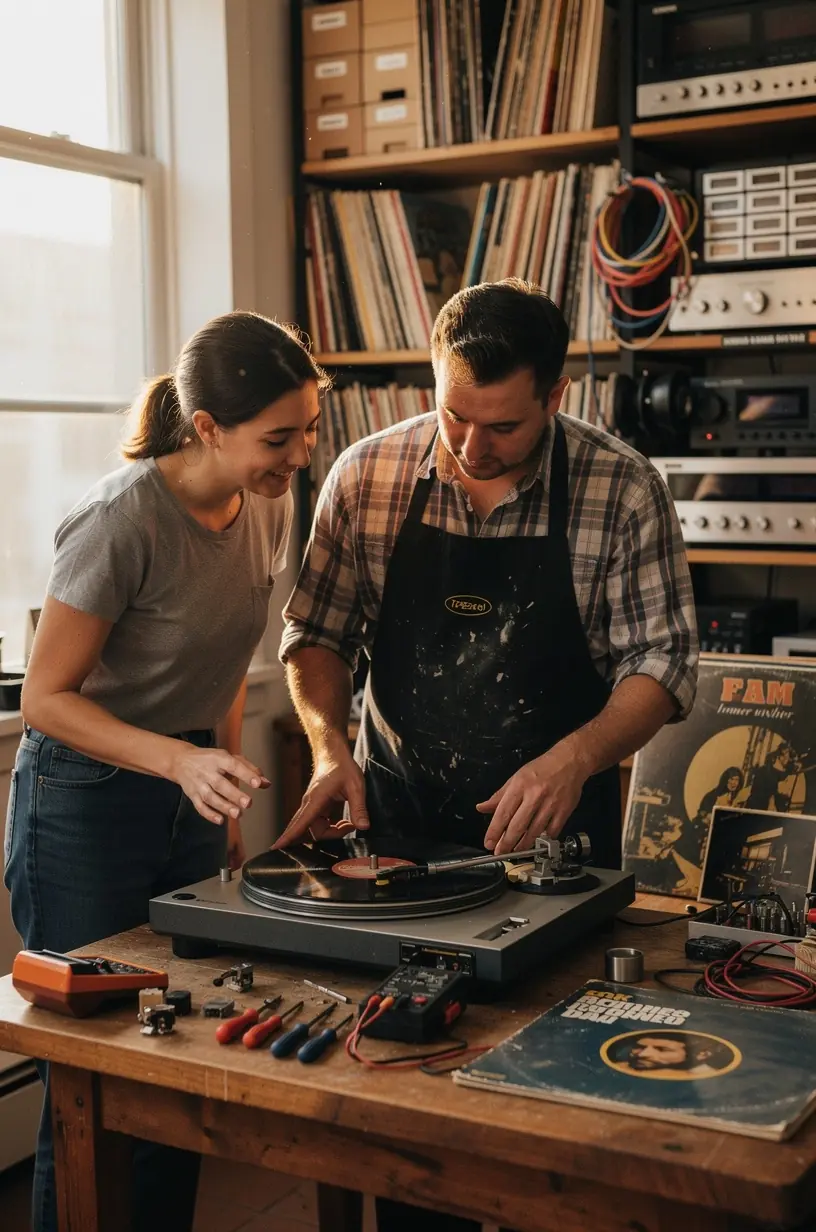
- Platter: The rotating platform that holds the vinyl.
- Tonearm: The arm that holds the cartridge and stylus, which reads the grooves of the vinyl.
- Cartridge: The component that converts the mechanical vibrations from the stylus into electrical signals.
- Motor: The mechanism that drives the platter’s rotation.
Factors to Consider When Choosing a Turntable
Experts recommend considering several key factors when selecting a turntable for restoration:
1. Brand Reputation
Many users report that established brands tend to produce more durable and reliable models. Brands like Technics, Rega, and Audio-Technica are recognized for their quality and longevity, which can facilitate easier restoration due to the availability of parts.
2. Condition of Components
Assess the current condition of the turntable. Look for:
- Damaged or worn-out parts, such as tonearms or cartridges.
- Corrosion or electrical issues in the motor.
- Overall aesthetic and structural integrity.
This is important because components that are too far gone may not be worth the effort or cost of restoration. A thorough inspection often reveals what can be salvaged or needs replacement.
3. Availability of Replacement Parts
Research indicates that having access to replacement parts is crucial for successful restoration. Many vintage models come with outdated parts which may not be readily available. Consider:
- Whether there are aftermarket options or compatible parts.
- Online communities or forums where you can source parts.
"Selecting a turntable with a robust support network can significantly ease the restoration process." – Audio Restoration Expert
4. Expertise Required
Understand your own skill level. Restoration often requires a certain degree of technical ability, including:
- Basic knowledge of electrical components.
- Skill in mechanical assembly and disassembly.
This may involve a learning curve; therefore, it's advised to start with models that match your current expertise.
Conclusion
Choosing the right turntable for restoration is a nuanced process that incorporates various factors, from brand reputation to personal skills. By understanding the components and conducting thorough research, you can select a turntable that not only meets your restoration goals but also enhances your overall listening experience. Remember, patience and diligence are key, as restoration typically requires time and effort to achieve satisfactory results.