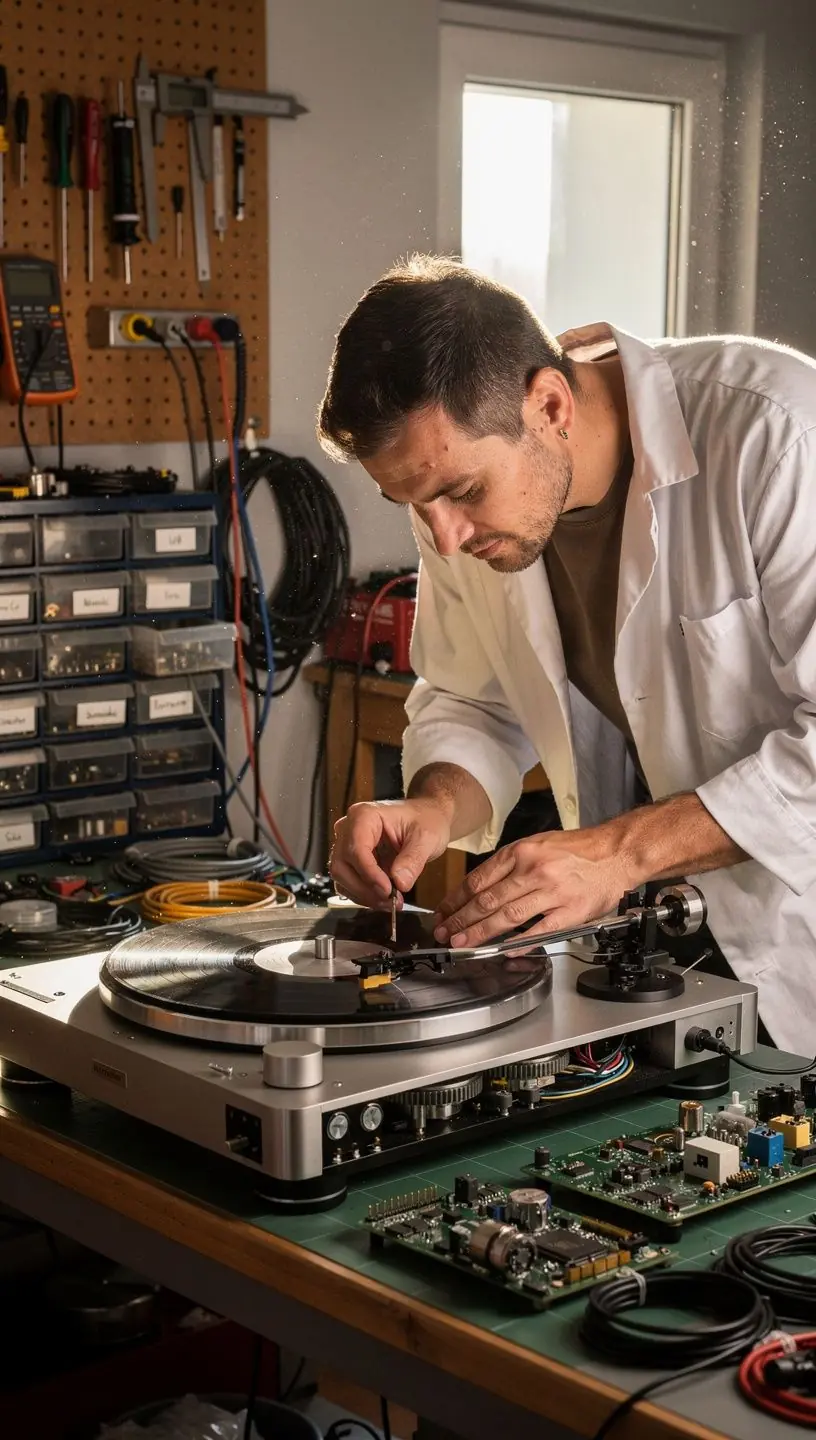
Common Mistakes When Setting Up a Turntable
Setting up a vinyl turntable can be a rewarding experience, enhancing your listening sessions with warmth and depth. However, many users encounter several common pitfalls that can hinder the overall performance of their analog audio equipment. This article explores these mistakes and provides actionable insights for a successful setup.
Understanding the Importance of Proper Setup
According to audio experts, the quality of sound produced by a turntable is often significantly affected by its setup. The principles of sound reproduction indicate that a well-calibrated turntable can dramatically improve audio fidelity. In most cases, overlooking key setup elements can lead to issues such as unwanted noise, distorted sound, or even damage to records.

"A correctly set up turntable not only enhances sound quality but also prolongs the life of your records." - Audio Equipment Specialist
Common Mistakes to Avoid
- Improper Leveling: One of the first steps in setting up a turntable is ensuring it is level. Many users often overlook this crucial aspect. A non-level turntable can lead to poor tracking and increased record wear. Experts recommend using a spirit level to confirm that both the platter and the base are perfectly horizontal.
- Incorrect Tracking Force: The tracking force determines how much pressure the cartridge exerts on the record. Setting this force too high can cause excessive wear on your vinyl, while too low can lead to skipping. Research indicates that following the manufacturer's specifications for the cartridge can help achieve optimal results.
- Neglecting Anti-Skate Adjustment: Anti-skate settings help to balance the force on both sides of the tonearm. Many users either neglect this adjustment or set it incorrectly, which can lead to uneven wear on records and affect sound quality. Industry experts suggest that this should be adjusted according to the tracking force used.
- Ignoring the Importance of a Clean Setup: Dust and debris can severely impact the sound quality. Regularly cleaning the records and the stylus is essential. Many audio enthusiasts report that using a carbon fiber brush can effectively remove dust without damaging the record.
- Forgetting to Check Connections: Loose or corroded connections can introduce noise and reduce audio quality. Ensuring that all cables are securely connected and in good condition is a step that should not be overlooked.
Educational Tips for a Successful Turntable Setup
- Take Your Time: Setting up a turntable typically requires patience and attention to detail. Rushing through the setup can lead to missed adjustments that affect performance.
- Utilize Online Resources: There are numerous guides and video tutorials available that can provide visual assistance for each setup step. Many users have found these resources helpful for understanding complex adjustments.
- Consult with Professionals: If you're uncertain about any steps in the setup process, consider reaching out to a professional turntable repair lab. Experts can offer diagnostics and calibration services that ensure your equipment is functioning optimally.
Conclusion
Setting up your turntable correctly is vital for enjoying the rich sound quality that vinyl records can offer. By avoiding common pitfalls and implementing these tips, you can enhance your listening experience significantly. Remember, a well-maintained turntable not only sounds better but can also help preserve your valuable records for years to come.
Learn More