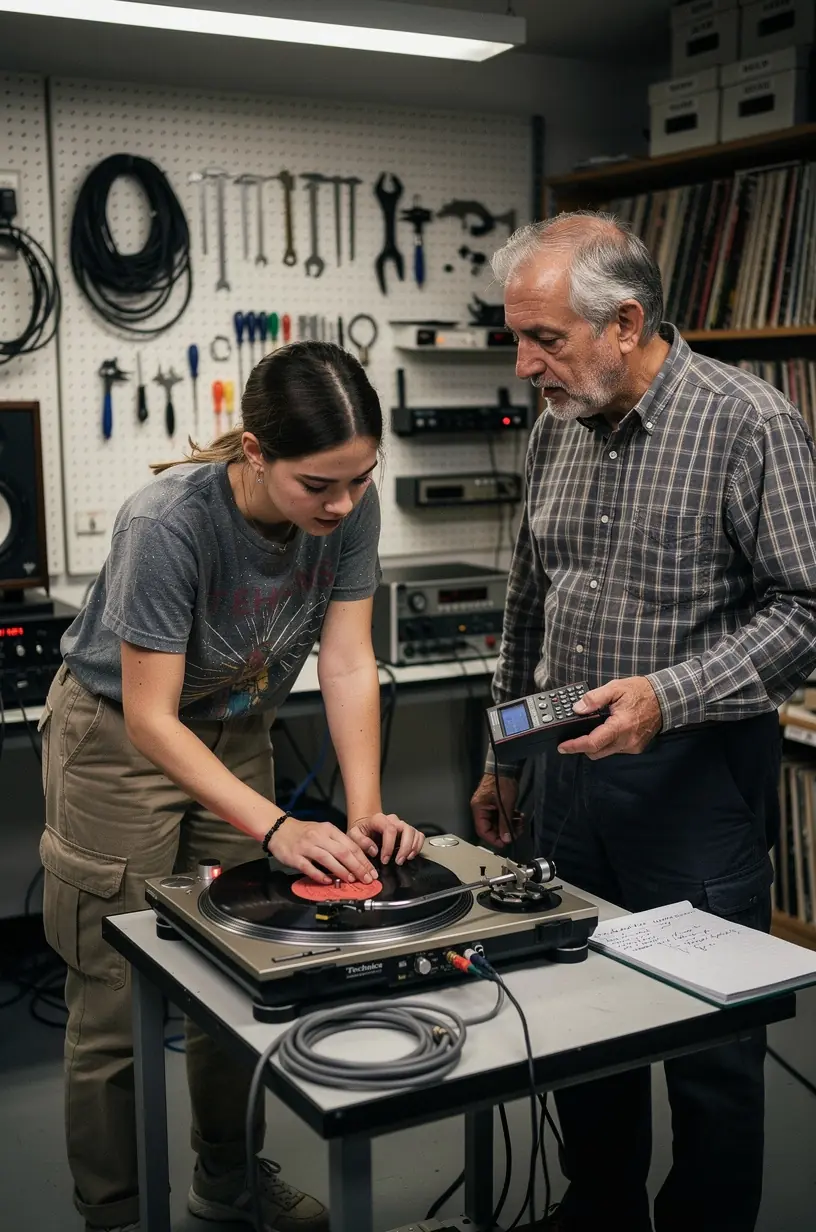
How to Diagnose Common Turntable Issues
Turntables are beloved pieces of audio equipment, but they can experience a range of issues that affect performance. This article aims to provide you with practical insights into diagnosing common turntable problems, helping you to restore your analog audio experience effectively.
Understanding the Basics
Turntables rely on several mechanical and electronic components to reproduce sound. Common components include the platter, tonearm, cartridge, and stylus. When one of these parts malfunctions, it can lead to sound issues or operational problems.

According to industry experts, the first step in any troubleshooting process is to determine whether the problem is mechanical, electrical, or a combination of both. Diagnosing these issues early can save time and reduce the risk of more significant damage.
"Regular maintenance and timely diagnostics can extend the lifespan of your turntable and improve sound quality." - Audio Engineering Society
Common Turntable Issues and Their Diagnosis
Many users report a variety of issues with their turntables. Here are some of the most common problems and how to diagnose them:
- Skips and Jumps: If your turntable skips or jumps during playback, the issue may be related to the stylus or the tracking force. Ensure that the stylus is clean and properly aligned. Additionally, check the tracking force with a scale; it should typically be within the manufacturer's specifications.
- Distorted Sound: Distortion can arise from several sources, including a worn stylus or issues with the cartridge. Inspect the stylus for wear and replace it if necessary. If the issue persists, consider testing with a different cartridge.
- No Sound: In cases where there is no sound, check the connections between the turntable and the amplifier. Loose or damaged cables can often be the culprit. Additionally, verify that the turntable is powered on and that the correct input is selected on the amplifier.
Step-by-Step Troubleshooting Process
To effectively diagnose issues with your turntable, follow this step-by-step process:
- Visual Inspection: Start by visually inspecting all components for obvious signs of damage, such as cracks or loose parts.
- Check Connections: Ensure that all cables are securely connected and that there are no signs of wear or damage.
- Test Components: Isolate each component (stylus, cartridge, etc.) to determine which one might be malfunctioning. You can do this by replacing parts or using a multimeter to test electronic components.
When to Seek Professional Help
While many turntable issues can be diagnosed and resolved at home, some problems require professional intervention. If you notice persistent issues that you cannot resolve, or if you’re unsure about how to proceed, it may be best to consult with a professional repair service. Many users find that expert diagnostics can save them time and prevent further damage to their equipment.
Conclusion
Diagnosing common turntable problems requires attention to detail and a systematic approach. By understanding the components of your turntable and following the diagnostic steps outlined above, you can often address issues effectively. Remember, regular maintenance and timely diagnostics are key to enjoying your analog audio experience for years to come. If you find yourself in need of assistance, don't hesitate to reach out to a professional repair service.
Learn More