Understanding Turntable Calibration Techniques
Calibrating your turntable is essential for achieving optimal sound quality and performance. This article will explore the techniques involved in turntable calibration, helping you understand the methodology behind this vital process.
Understanding the Basics
Turntable calibration involves adjusting various parameters to ensure that the playback of vinyl records is as accurate as possible. According to industry experts, proper calibration can enhance sound fidelity and extend the lifespan of your equipment.
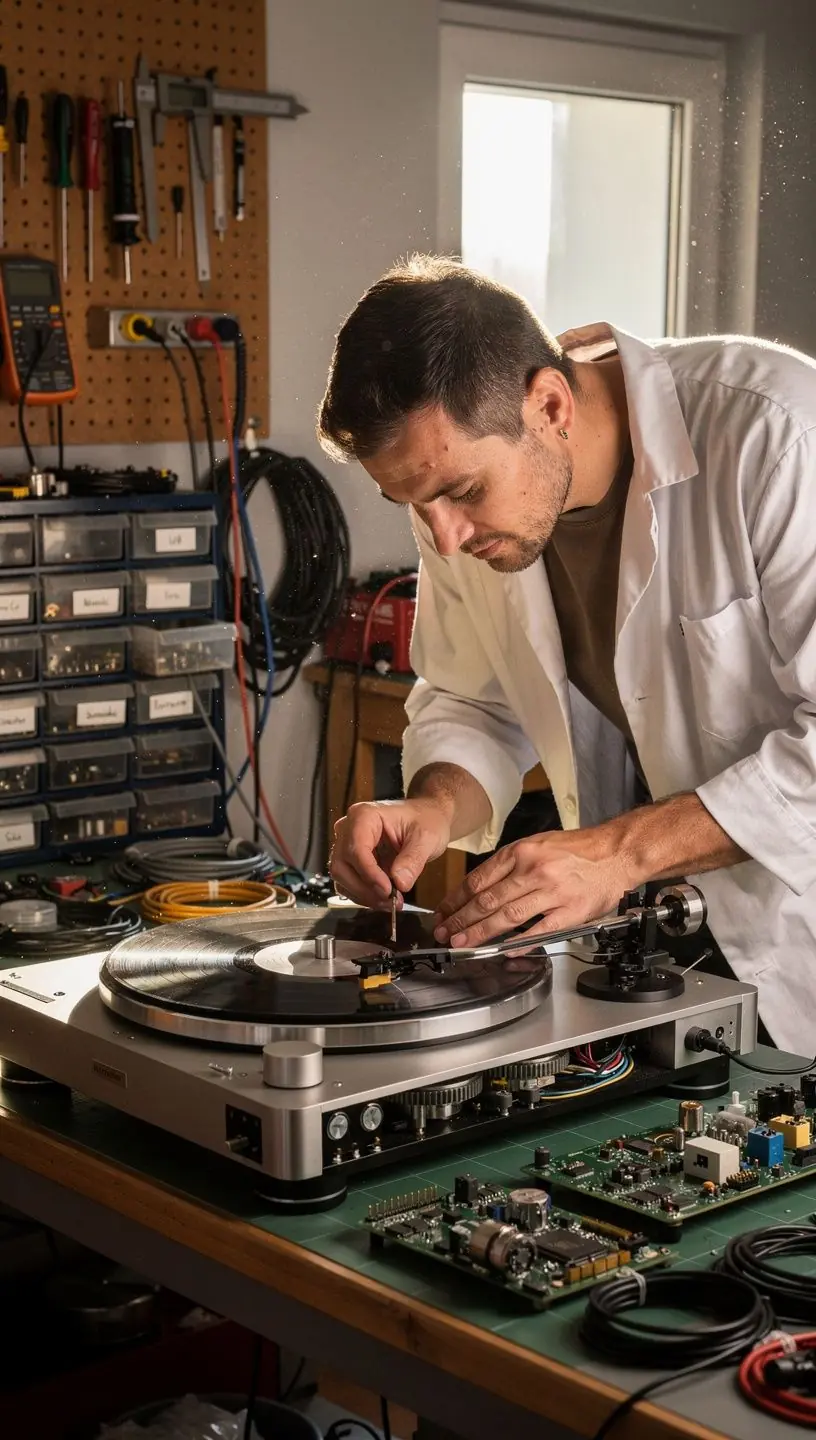
"Correct calibration can improve the listening experience significantly, making it a critical part of any vinyl enthusiast's maintenance routine."
Essential Calibration Techniques
There are several key techniques used in turntable calibration:
- Tracking Force Adjustment: Setting the correct tracking force is crucial for the stylus to track the grooves accurately. Many users recommend using a digital scale for precise measurement.
- Anti-Skate Adjustment: Anti-skate settings help to balance the inward pull of the stylus, which can prevent uneven wear on your records. Experts suggest starting with the turntable's manufacturer recommendations and adjusting from there.
- Leveling the Turntable: Ensuring that your turntable is level can significantly impact playback quality. A bubble level can help you achieve this, and it's recommended to check this every time you set up your turntable.
Why Calibration Matters
Calibration is essential for several reasons. It influences the music's accuracy and clarity, ensuring that you hear the recordings as the artists intended. Studies show that uncalibrated turntables can lead to distortion and reduced sound quality, which many audiophiles find unacceptable.
Furthermore, proper calibration can help prevent premature wear on both records and stylus. The principle behind this is that when the stylus exerts the right amount of pressure on the record, it tracks more efficiently, reducing friction and wear.
Challenges and Considerations
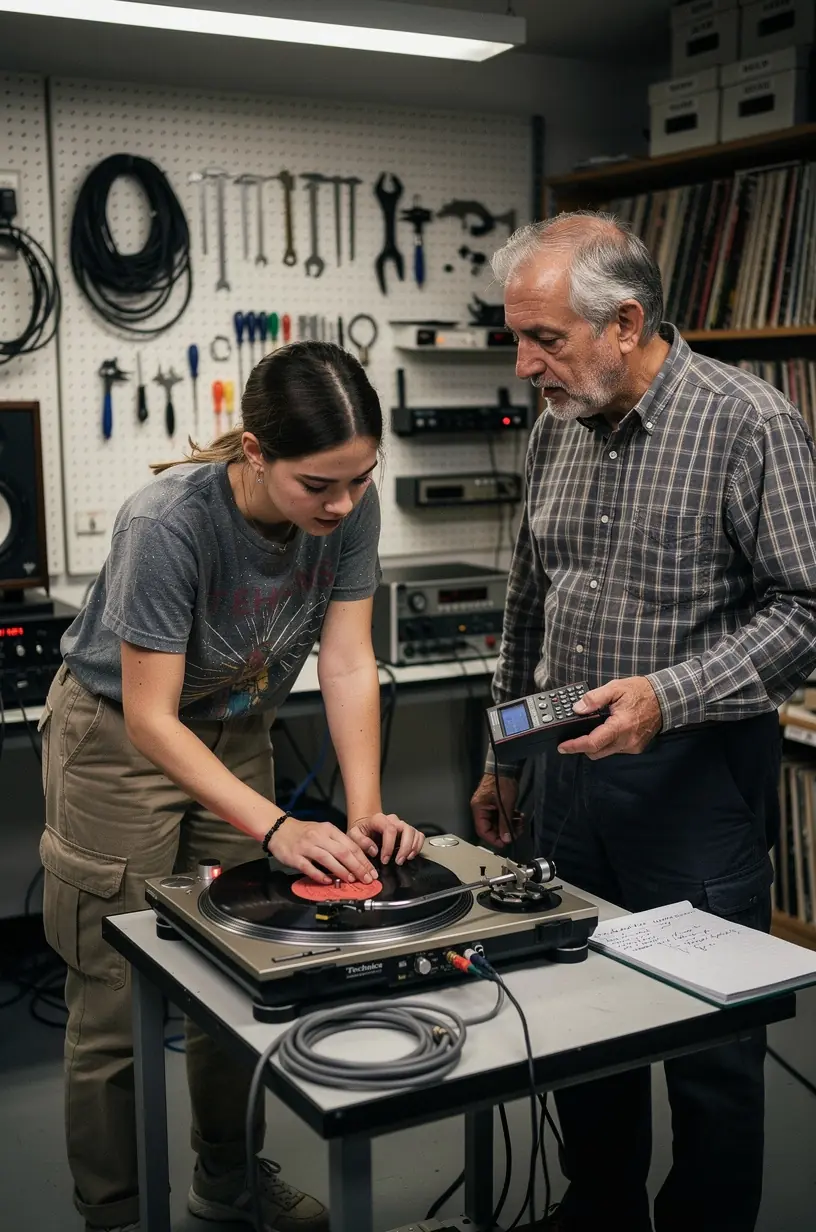
It's important to note that calibration requires some time and practice. For beginners, the process may take a few hours to learn and perform effectively. Additionally, achieving optimal results often depends on the quality of the tools used for calibration. While many affordable options exist, investing in reliable equipment can yield better long-term outcomes.
In most cases, people may find it beneficial to consult with professionals who specialize in turntable repair and calibration. This can lead to more precise results, especially if you're unsure of where to start.
Conclusion
Understanding and applying turntable calibration techniques can dramatically improve your listening experience. While the process involves a learning curve and some initial investment in time and tools, the benefits to sound quality and equipment longevity are well worth the effort. Whether you're a seasoned audiophile or just starting, ensuring your turntable is calibrated can help you truly enjoy the rich sound of analog audio.